DGCA CPL Requirements in India for Aspiring Pilots
Home DGCA CPL Requirements Every Aspirant Should Check In India, becoming a commercial pilot requires more than a passion for flying. Aspiring pilots must meet

In India, becoming a commercial pilot requires more than a passion for flying. Aspiring pilots must meet specific educational, age, medical, examination and flight-training requirements established by the Directorate General of Civil Aviation (DGCA).
Understanding the DGCA CPL requirements before beginning your training can help you prepare the necessary documents and plan your journey effectively. From completing Class 12 with Physics and Mathematics to passing the required examinations and gaining the prescribed flying experience, each step is important for obtaining a Commercial Pilot Licence (CPL).
Aspiring pilots looking for guidance with theoretical exam preparation can also explore the pilot training programmes at FMS Aviation Academy. This guide covers the essential eligibility criteria, medical assessments, examinations and flying-hour requirements you should understand before starting your pilot training.

Candidates must satisfy the applicable DGCA eligibility and licensing requirements to obtain a Commercial Pilot Licence. The main requirements include:
Each requirement is explained below to help you understand the process before enrolling in a training programme.
Candidates generally need to have passed Class 12 with Physics and Mathematics from a recognised board or hold an accepted equivalent qualification. Meeting this academic requirement is an important first step towards obtaining a Commercial Pilot Licence (CPL) in India. Candidates should check their educational documents and confirm that their qualifications meet the applicable DGCA criteria before beginning the licensing process.
Students who have completed Class 12 with Physics and Mathematics can start planning their commercial pilot training, provided they meet the other applicable eligibility requirements. This stage is a good time to understand the DGCA examination process, explore approved flight training organisations, review medical requirements and estimate the overall cost of training.
However, completing Class 12 does not automatically qualify a candidate for a CPL. Aspiring pilots must also meet the prescribed age and medical standards, pass the applicable examinations and complete the required practical flight training. Understanding these requirements in advance can help students prepare their documents and plan their training journey more effectively.
Candidates who have not studied Physics or Mathematics in Class 12 may need to complete the missing subject or subjects through an educational route accepted by the DGCA. The appropriate route depends on the candidate’s existing academic qualifications and the applicable eligibility criteria. Before enrolling in an additional course, candidates should confirm that the qualification they intend to obtain will be accepted for CPL eligibility.
Candidates with international qualifications or certain diploma qualifications should also check whether an equivalency certificate or other supporting documents are required. The latest eligibility instructions are available on the official DGCA website and the DGCA Pariksha portal. Checking these requirements before proceeding can help prevent documentation issues and unnecessary delays.
The minimum age is another important factor to consider when planning a career as a commercial pilot. The age requirement varies according to the type of pilot licence, and candidates should distinguish between the eligibility requirements for a Student Pilot Licence (SPL) and those for a Commercial Pilot Licence (CPL).
The general minimum age requirements are:
Meeting the minimum age requirement is only one part of the licensing process. Candidates must also fulfil the applicable educational, medical, examination and flight-training requirements. Since licensing regulations and procedures may change, aspiring pilots should verify the latest requirements through the official DGCA website before applying.
Planning ahead can help candidates understand when they can begin the relevant training stages, prepare the required documents and identify any eligibility requirements they still need to fulfil before applying for a licence.
Medical fitness is an essential part of pilot licensing because pilots must meet prescribed health standards to perform their duties safely.
A Class 2 medical assessment is commonly an early step for aspiring pilots. Candidates must also meet the applicable Class 1 medical requirements for CPL issuance.
It is advisable to understand the medical process early and consult an authorised aviation medical examiner to confirm the current procedures and requirements.
DGCA examinations assess candidates’ knowledge of aviation theory, navigation, meteorology, regulations and aircraft-related subjects. The applicable subjects and examination requirements should be confirmed through the DGCA Pariksha portal.
Important subjects for DGCA CPL examinations
The subjects commonly associated with aeroplane pilot training include:
Start by reviewing the applicable syllabus and organising the subjects into a manageable study schedule. Regular revision and practice can help you strengthen your understanding of theoretical concepts.
Candidates seeking structured academic support can explore DGCA ground classes at FMS Aviation Academy.
The DGCA Computer Number is an identifier associated with a candidate’s flight crew examination records. Candidates generally need to complete the relevant registration formalities before appearing for applicable examinations.
The Computer Number is issued through the official DGCA process, not by a flight training academy. Always follow the latest instructions on the official portal.
For an aeroplane CPL in India, 200 flying hours is the commonly cited general minimum, subject to the current DGCA regulations and prescribed training requirements.
What is included in CPL flying hours
The required flight experience may include:
The distribution of hours and conditions for each component can affect your training plan. Verify the current requirements before beginning practical flight training.
Practical flight training must be completed through an appropriately approved Flight Training Organisation (FTO). Before choosing a provider, consider its approval status, aircraft availability, instructor support, training schedule, location and fees.
Ground training and practical flying serve different purposes: ground classes focus on theoretical knowledge, while flight training develops the practical skills needed for flying.
You can explore the FMS Aviation Academy Pilot Training Programme and its information about flight training in India to learn more about available training options.
What should you check before enrolling in CPL training
Before committing to a programme, review the following:
Compare the available options carefully and confirm the details directly with the relevant training organisation before enrolling.
In India, obtaining a Commercial Pilot Licence involves meeting academic and medical standards, passing the applicable examinations and completing the prescribed flight training. Understanding these requirements early can help aspiring pilots prepare effectively and make informed decisions about their training.
Before applying, verify the latest licensing rules and examination instructions through the official DGCA website. For information about training options, visit FMS Aviation Academy.
Yes. Candidates who meet the Physics and Mathematics requirement and satisfy the other applicable eligibility criteria can plan their commercial pilot training after Class 12.
You may be able to complete the missing subject or subjects through an accepted educational route. Confirm that your qualification meets current DGCA requirements.
The general minimum age is 18 years, subject to applicable DGCA regulations.
Candidates must meet the applicable Class 1 medical requirements for CPL issuance. Consult an authorized aviation medical examiner for guidance.
The commonly cited general minimum is 200 flying hours, subject to current DGCA requirements and prescribed experience components.
Visit the official DGCA Pariksha portal for current examination information and registration instructions.

Home DGCA CPL Requirements Every Aspirant Should Check In India, becoming a commercial pilot requires more than a passion for flying. Aspiring pilots must meet

Home Air Regulations DGCA Notes: A Complete Study Guide for CPL Exam Preparation Preparing for the Commercial Pilot License (CPL) examination requires more than memorizing
Home Color Blindness and Pilot Eligibility in India If you are worried that color blindness might end your pilot dream before it starts, here’s the
Home What Is Instrument Rating in Aviation? Instrument Rating is the qualification that allows a pilot to fly an aircraft using only the instruments in
Home What Is Type Rating in Aviation? A type rating is the certification that allows a pilot to fly a specific aircraft type, not aircraft
Home IGRUA Flying School: Courses, Fees and Training Guide IGRUA stands for Indira Gandhi Rashtriya Uran Akademi. It’s a name every aspiring pilot in India
Home How Much Do Pilots Earn in India Per Month? India’s civil aviation sector is preparing for a major expansion. The Airports Authority of India
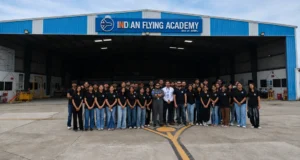
Home FMS Aviation Academy Organizes Free IFA Visit for Students FMS Aviation Academy organized a free IFA visit for its DGCA ground class students to
Home How Much Do Pilots Earn in India Per Month? Pilots in India earn between ₹30,000 and ₹15 lakh per month. Pay depends on rank,