

Pilot Training
Color Blindness and Pilot Eligibility in India
Home Color Blindness and Pilot Eligibility in India If you are worried that color blindness might end your pilot dream before it starts, here’s the
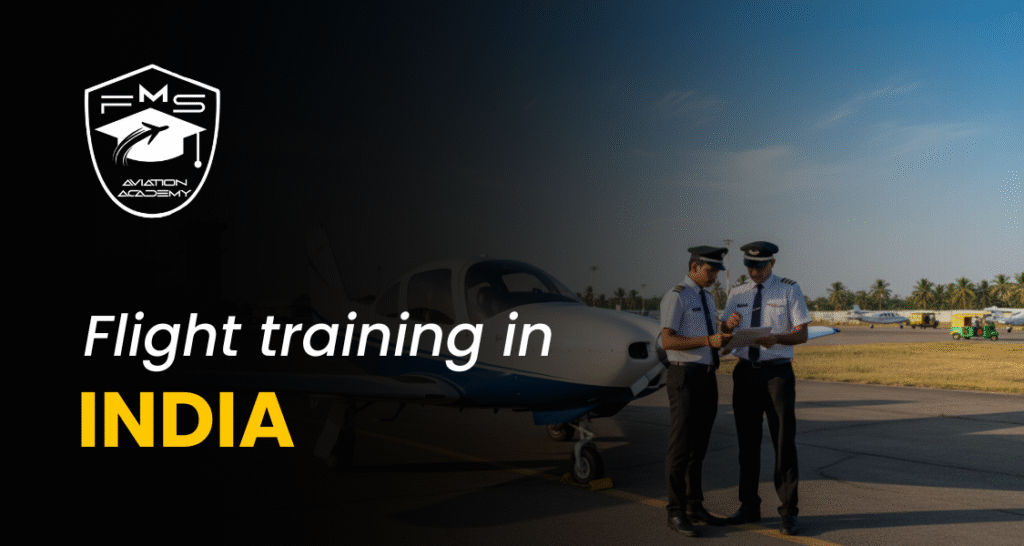
Flight training in India is the first step toward becoming a commercial pilot.
Every airline captain flying today started with a dream and the right training.
India’s aviation industry is growing. Airlines need 10,000+ pilots over by 2030.
This creates unprecedented opportunities for aspiring pilots in India.
But flight training requires significant investment—both time and money. Choosing the right path determines your success.
This complete guide covers everything about pilot training in India.
DGCA approved flight schools. CPL training costs. Eligibility requirements. Career opportunities. Ground classes. Medical requirements. Training duration. Job prospects after completion.
Ready to explore your path to the cockpit?
Flight training in India is the process of obtaining a Commercial Pilot License (CPL).
This license allows you to fly aircraft commercially for airlines, charter companies, or cargo operations.
The complete pilot training journey in India follows a structured pathway.
Step 1: DGCA Student Pilot License (SPL)
Step 2: DGCA Ground Training
Before flying, you must clear six theoretical examinations:
Ground training typically takes 4-6 months at quality institutes.
Step 3: Commercial Pilot License (CPL)
Step 4: Type Rating
Directorate General of Civil Aviation (DGCA) regulates all pilot training in India.
DGCA’s Key Functions:
DGCA Approval Matters:
Only DGCA approved flight schools can provide valid training.
Licenses from non-approved schools are not recognized.
Always verify DGCA approval before joining any flying training in India.
Meeting eligibility criteria is essential before starting pilot training in India.
Minimum Education:
Important Notes:
Commerce or Arts students can qualify through NIOS.
National Institute of Open Schooling (NIOS) offers Physics and Mathematics separately.
Graduation is not mandatory for CPL training in India.
Minimum Age Requirements:
Maximum Age:
DGCA does not specify upper age limit for CPL training.
However, airlines typically prefer candidates under 32-35 years.
Starting pilot training in India early maximizes career opportunities.
DGCA medical fitness is mandatory for all pilot training in India.
Required before starting flight training.
Required before obtaining CPL license.
More stringent than Class 2 medical.
Disqualifying Conditions:
Certain heart conditions, epilepsy, severe mental health issues.
Color blindness is disqualifying for commercial pilots.
However, many conditions are waivable with DGCA approval.
Understanding complete costs helps financial planning for pilot training in India.
Total Investment: ₹50,00,000 – ₹ 1,75,00,000
This is the approximate range for complete CPL training in India.
Cost Varies Based On:
Time investment is significant for commercial pilot training in India.
Total Duration: 18-24 Months Typically (Full-time)
This includes ground training, flight training, and examinations.
Phase-by-Phase Timeline:
Weather Conditions:
Aircraft Availability:
Individual Progress:
Exam Performance:
Flight School Efficiency:
Part-Time vs Full-Time:
Fastest Completion:
18 months possible with:
Choosing DGCA approved flight schools is mandatory for valid pilot training in India.
DGCA approval indicates the flight school meets safety and training standards.
DGCA Approves:
Why DGCA Approval Matters:
Official DGCA Website:
What to Verify:
Popular DGCA Approved Flight Schools in India:
Find our comprehensive list of best flight schools in India here.
Commercial pilot training in India opens multiple career pathways.
Commercial Airlines: IndiGo, Air India, SpiceJet, Vistara, Air Asia India.
Career Progression: First Officer: 2-5 years.
Salary Growth:
Industry Growth: India’s aviation growing 9% annually. Expected to become 3rd largest market globally by 2030.
Current fleet: 700+ aircraft. Projected fleet by 2035: 2,500+ aircraft.
Pilot Shortage: Demand for Pilots in India is on the rise.
International Opportunities:
Evaluating pros and cons helps make informed decisions.
Advantages of Flight Training in India:
Challenges of Flight Training in India:
Flight Training Abroad (USA/Canada/Australia):
Advantages:
Disadvantages:
When to Choose India:
✓ Budget is ₹50-70 lakhs.
✓ Want to fly for Indian airlines specifically.
✓ Prefer staying close to family.
✓ Don’t want license conversion hassle.
When to Consider Abroad:
✓ Budget allows ₹80 lakhs-1.2 crores.
✓ Want faster training completion.
✓ Interested in international airline careers.
✓ Value global exposure and networking.
FMS Aviation Academy prepares students for both paths.
Check out FMS Aviation Academy’s aviation courses for CPL in India.
DGCA Ground Classes: Comprehensive training for all 6 DGCA subjects.
Pre-Type Rating Course: Upgrade your skills before your Type Rating.
Advanced Aircraft Systems & SOP Training
Multi-Crew Cooperation (MCC) & CRM
Glass Cockpit Orientation & Jet Handling
Simulator Practice & Assessment Prep
Post-Type Rating Course: Bridge the gap between training and airline readiness.
Aircraft Systems & Technical Refresher
SOPs & Airline Procedures
Real-World Scenario Training
Performance Under Pressure: Entrance Preparation
Wide-Body Aircraft Insights
Airline Entrance Preparation Course: Ace every stage of airline selection.
Written Test Preparation
Psychometric & Aptitude Test Prep
Simulator Training
Interview & Soft Skills Training
Airline Transport Pilot Licence (ATPL) Course: DGCA-mandated subjects covered.
Air Navigation
Radio Aids & Instruments
Meteorology
Bonus: Flying logbook preparation (DGCA format), eGCA application guidance & Viva eligibility support
AI-Powered Learning Platform: India’s first smart DGCA preparation system
Expert Instruction: Learn directly from a Senior Airline Captain
One-on-One Counselling & Mentorship at every stage
Career-Focused Training: From DGCA exams to cadet programmes & airline selection
Trusted Track Record: 300+ students trained successfully across India
5+ Partner Flying Schools for seamless flight training pathways
10+ Years of Aviation Training Experience
Concept-Based Learning: Real understanding over rote memorization
Transparent Guidance: No misleading approvals or inflated claims
Take the first step towards Flight training in India with FMS Aviation Academy.
📞 Contact FMS Aviation Academy for:
Complete CPL training in India costs ₹50 lakhs - ₹1.75 cr.
This includes ground training, flight hours, exams, medicals, and living expenses.
The eligibility for pilot training in India depends on your flying school or airline. Common criteria are:
It typically takes:
Weather, exam performance, and school efficiency affect duration.
Yes, absolutely mandatory. Only DGCA-approved schools provide valid training.
Check www.dgca.gov.in for approved FTO list.
Yes, you can start immediately after 12th. 10+2 with Physics and Mathematics is sufficient. No need to complete graduation first.
Check out Complete Guide on How to Become a Pilot in India.
Yes. Depending on the your flying school or cadet pilot programme, India offers comparatively cheaper courses.
Six theoretical examinations required:
Yes, strong demand for pilots in India. Airlines actively recruiting First Officers. Industry needs 10,000+ pilots by 2030.
Home Color Blindness and Pilot Eligibility in India If you are worried that color blindness might end your pilot dream before it starts, here’s the
Home What Is Instrument Rating in Aviation? Instrument Rating is the qualification that allows a pilot to fly an aircraft using only the instruments in
Home What Is Type Rating in Aviation? A type rating is the certification that allows a pilot to fly a specific aircraft type, not aircraft
Home IGRUA Flying School: Courses, Fees and Training Guide IGRUA stands for Indira Gandhi Rashtriya Uran Akademi. It’s a name every aspiring pilot in India
Home How Much Do Pilots Earn in India Per Month? India’s civil aviation sector is preparing for a major expansion. The Airports Authority of India
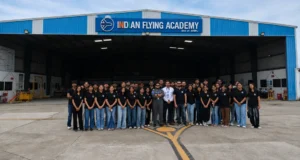
Home FMS Aviation Academy Organizes Free IFA Visit for Students FMS Aviation Academy organized a free IFA visit for its DGCA ground class students to
Home How Much Do Pilots Earn in India Per Month? Pilots in India earn between ₹30,000 and ₹15 lakh per month. Pay depends on rank,
Home DGCA Ground School: CPL Ground School Guide & DGCA CPL Papers (2026) DGCA Ground School is mandatory theory training for every pilot aspirant in
Home DGCA CPL Training in India: Complete 2026 Guide for Pilot Aspirants DGCA CPL training in India qualifies you to fly commercially as a licensed